
Tags
christopher marlowe, Clemence Dane, Dark Lady, Emilia Bassano Lanier, Lucy Morgan, Mary Fitton, the Sonnets, William Shakespeare
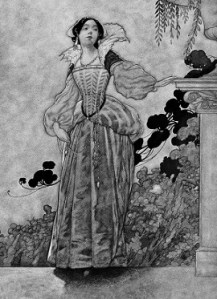 Of the several candidates for the role of Shakespeare’s Dark Lady of the Sonnets, three seem to catch (or have caught) the imagination of novelists and playwrights: Emilia Bassano Lanier, Lucy Morgan, and – though less and less – Mary Fitton.
Usually Emilia is depicted as fiery, passionate, wilful and intelligent – juggling her talents at the virginals and in bed, with a short temper and a calculating streak, while Lucy is usually the plucky “blackamoor” girl, striving hard against prejudice and terrible odds as she tries to make an independent life for herself. Both are portrayed sympathetically – Lucy even more so. Mary Fitton, though, is a dark horse of another colour. Fictional Marys are growing few and far between, but used to be to be cold-hearted, cruel, calculating and ambitious, regarding poor Will Shakespeare as an amusing interlude and/or a stumble in their Court career… Continue reading
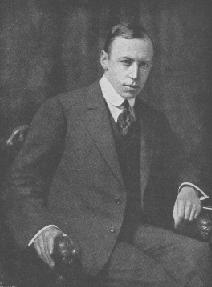 Alfred Noyes wrote a good deal, and in many genres. A poet, novelist, sci-fictioneer, essayist and pamphleteer, he was especially famous for his narrative poems – first of all the highly melodramatic The Highwayman.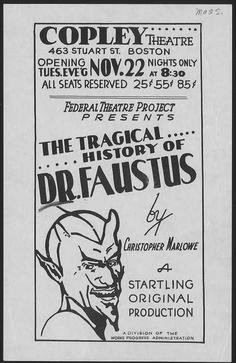

 Remember
  I’ve always liked
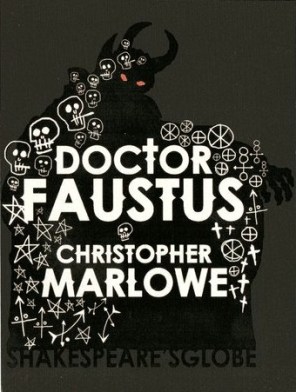
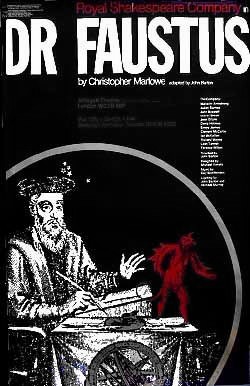
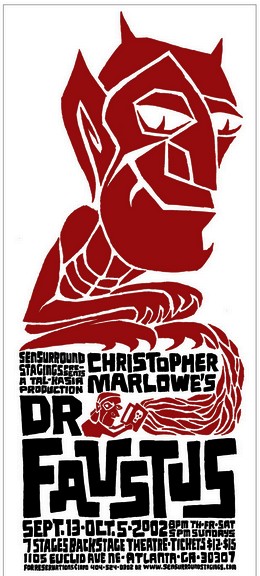
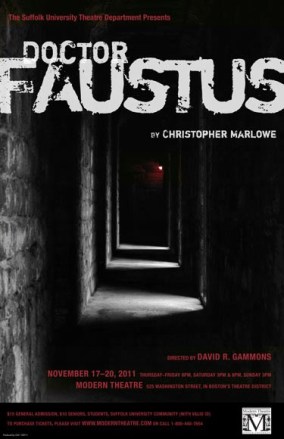
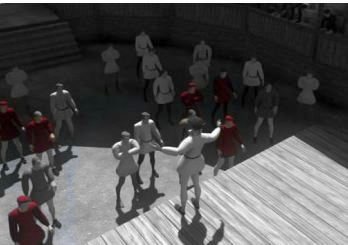
 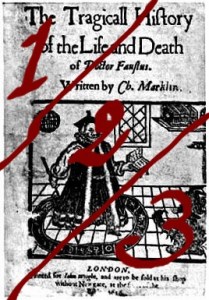 One thing that we noticed while reading Faustus with the Paper Stage, was that perhaps a three-part reading doesn’t suit every play – and this is true of the 1616 B Text of Faustus.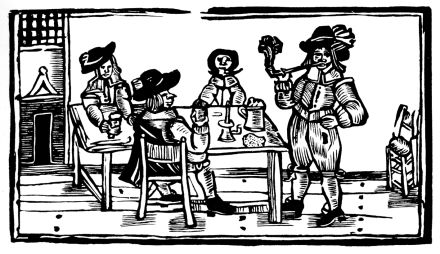
 Scribblings