
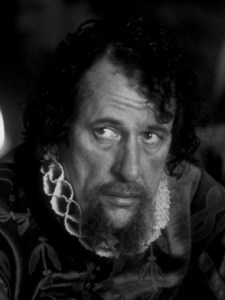
Geoffrey Rush as Henslowe in Shakespeare in Love
Even apart from Shakespeare’s death, 1616 was a momentous year, theatre-wise, and Shakespeare’s Globe is going to make the most of it, by celebrating this year’s numerous anniversaries with a host of events, shows, talks, concerts…
This month, the focus is on Philip Henslowe, one of the two great impresarios of Elizabethan theatre, Edward Alleyn’s father in law, and the man whose diary, preserved through the centuries, gave us most of what we know about the daily business of playhouses and companies. Continue reading
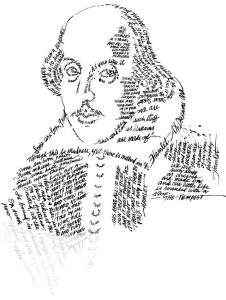 Ah, Master William Shakespeare, who died four hundred years ago, as of today… The man who went about promising immortality – or at least eternal fame – to fair youths, through his poetry… Although, as it turned out, it meant that the poetry, and not the youth’s name, would be read by eyes not yet created and rehearsed by tongues to be. Our own, for instance, four centuries later.
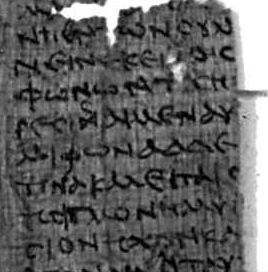 Imagine a collection of Egyptian papyri excavated at the end of the XIXth Century from the garbage mounds of what had been the City of the Sharp-Nosed Fish: Oxyrhyncus.
 Remember
  I’ve always liked
  I discovered the existence of this little book back in December, and ordered it on the instant… After which it took more than a month for it to arrive – thanks to the dismal Italian post service – but it was well worth the wait.
  – published by the
 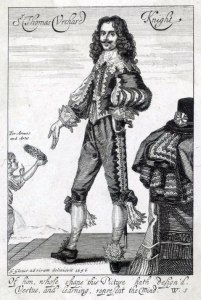 Once upon a time, I received a strange call from a lady with a German accent, who desired to know if she could speak with the author of Lo Specchio Convesso – that is to say, The Convex Mirror, my first published novel. On being told that not only she could, but she was doing it already – the lady introduced herself as a researcher for the Clan Urquhart.
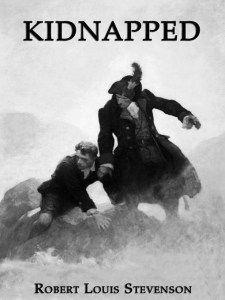 One day many years ago, in Edinburgh, I took shelter from yet another icy downpour in a little bookshop – and what could I do, but browse the shelves? For some reason, a small blue book caught my attention: Kidnapped, by R.L. Stevenson. I’d read Treasure Island, of course, and Jekill&Hyde – who doesn’t? – and The Black Arrow had been a childhood favourite. Now another historical novel from the same author, and with a Scottish setting to boot, seemed like a good idea, even though it was printed on flimsy grey paper, in a font so small to imperil one’s eyesight… Still, buy it I did, and after the bookshop, ensconced myself in a nearby tea room, ordered tea and scones, and began to read.
  Right now, I think that all you can find in English is the
 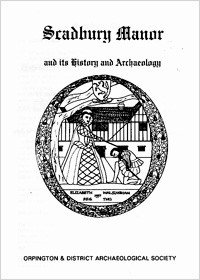 Remember
  Scribblings